
News detail
From the Cloud to the Edge, Taixin Semiconductor Offers Its Own Answer in Qingdao
On September 5, the concurrent forum “2026 Coexisting Intelligence at the Edge | AI Innovation Exchange for Consumer Electronics” of the 2026 China International Consumer Electron…

September 5
2026 China International Consumer Electronics Expo (CICE)
Concurrent Forum
2026 Coexisting Intelligence at the Edge | AI Innovation Exchange for Consumer Electronics
Held at the Qingdao International Convention and Exhibition Center (Hongdao Pavilion)
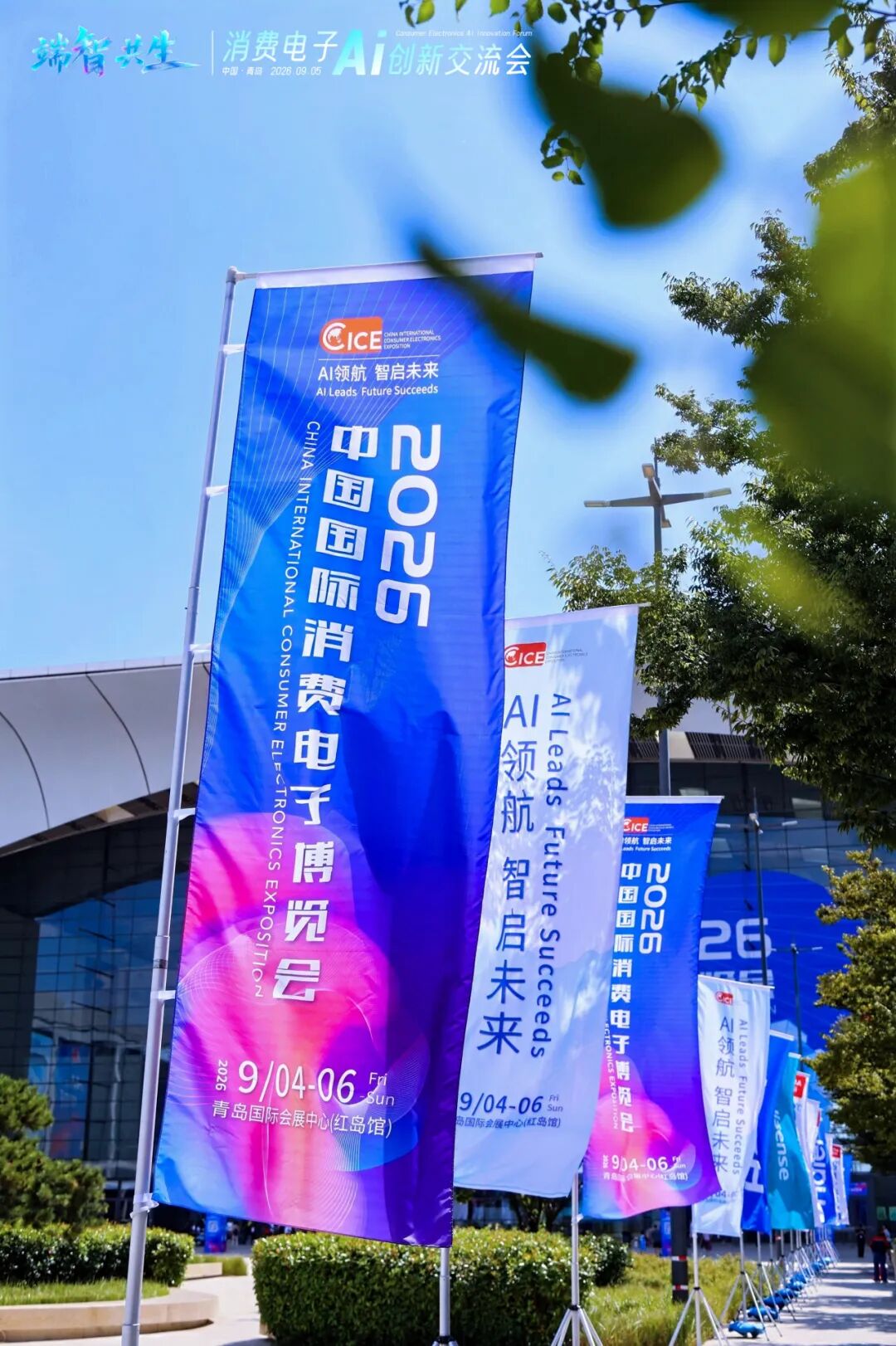
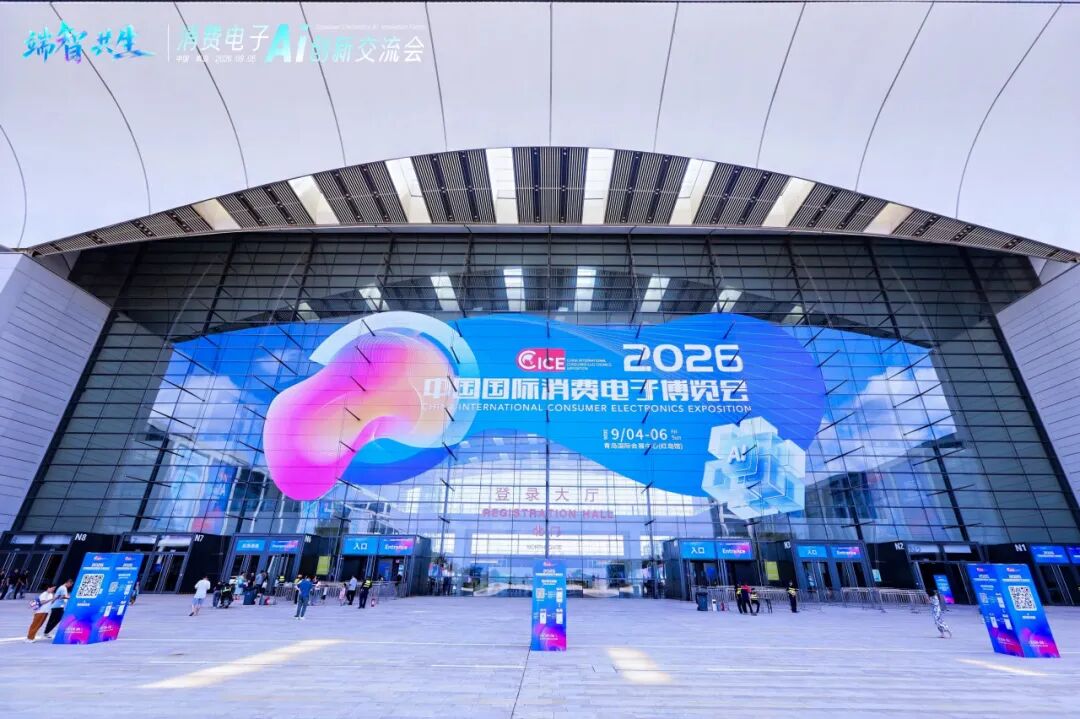
Approved by the State Council and hosted by the People’s Government of Shandong Province, the China International Consumer Electronics Expo is a national-level exhibition that has been held for 23 consecutive editions. This year’s theme is “AI Leads the Way, Intelligence Unlocks the Future.”
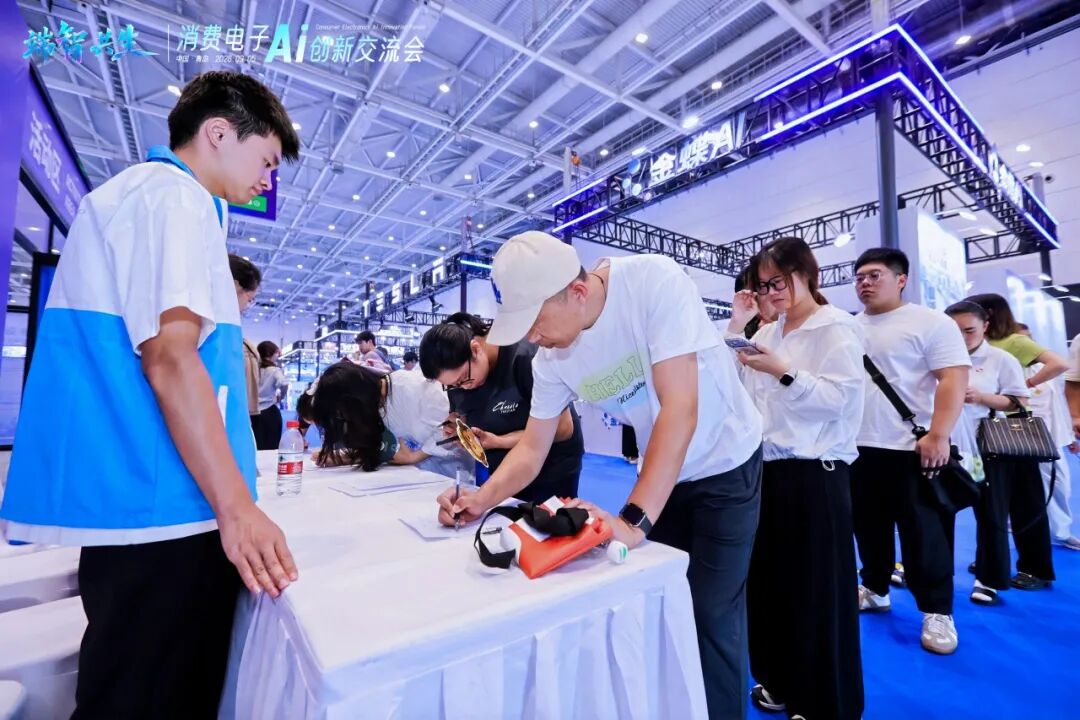
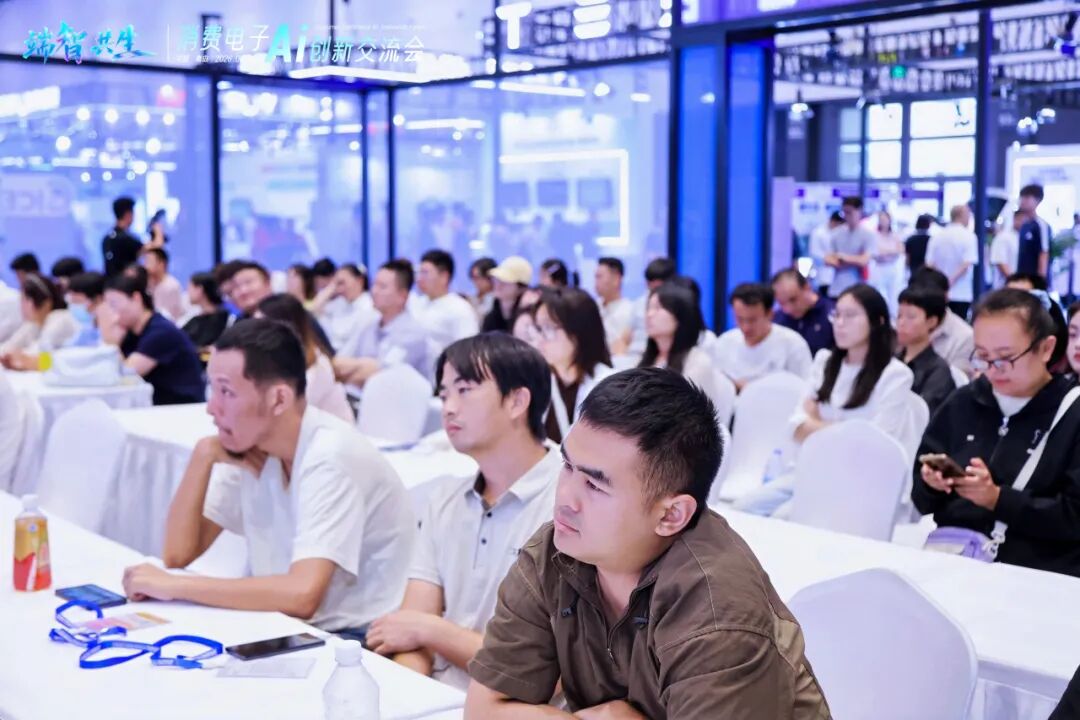
At the exchange, academicians, experts, and representatives from across the industry chain, including Gaussian Robotics and Tengyun Intelligent Computing, discussed innovation in consumer electronics in the era of large models.
Taixin Semiconductor was invited to attend, and Xiang Xuefeng, Marketing Director, delivered a keynote speech titled“Building Intelligence at the Edge, Co-Creating a Digital Future—Large Model-Driven Advances in Edge AI Technology and Deployment Across Diverse Scenarios”.
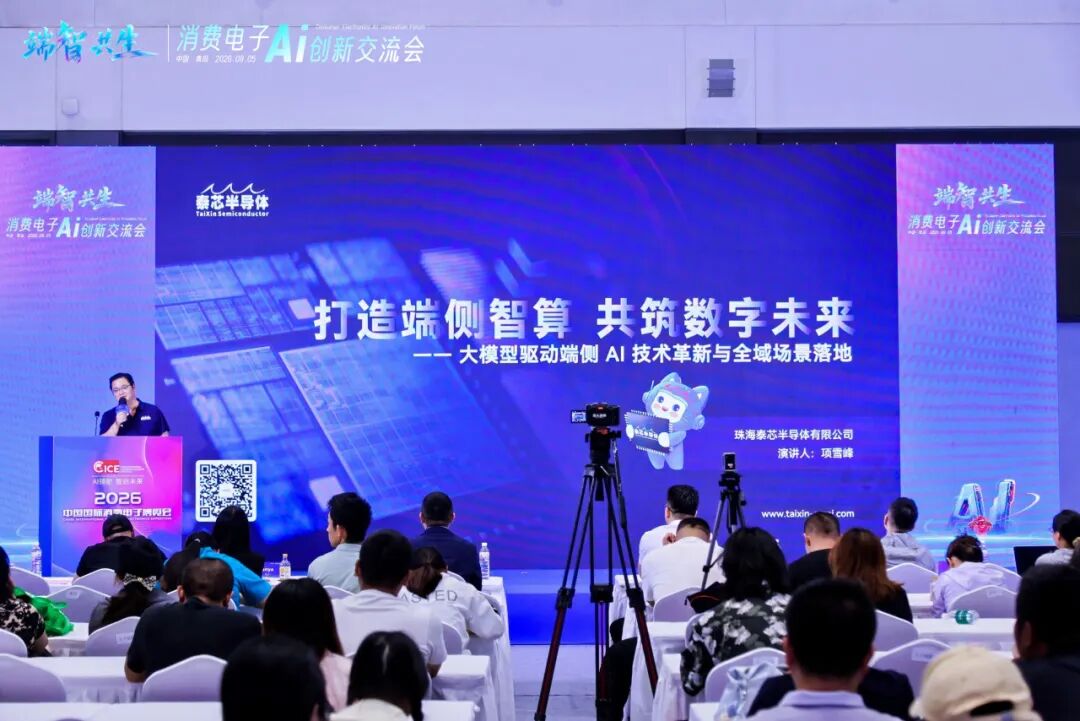
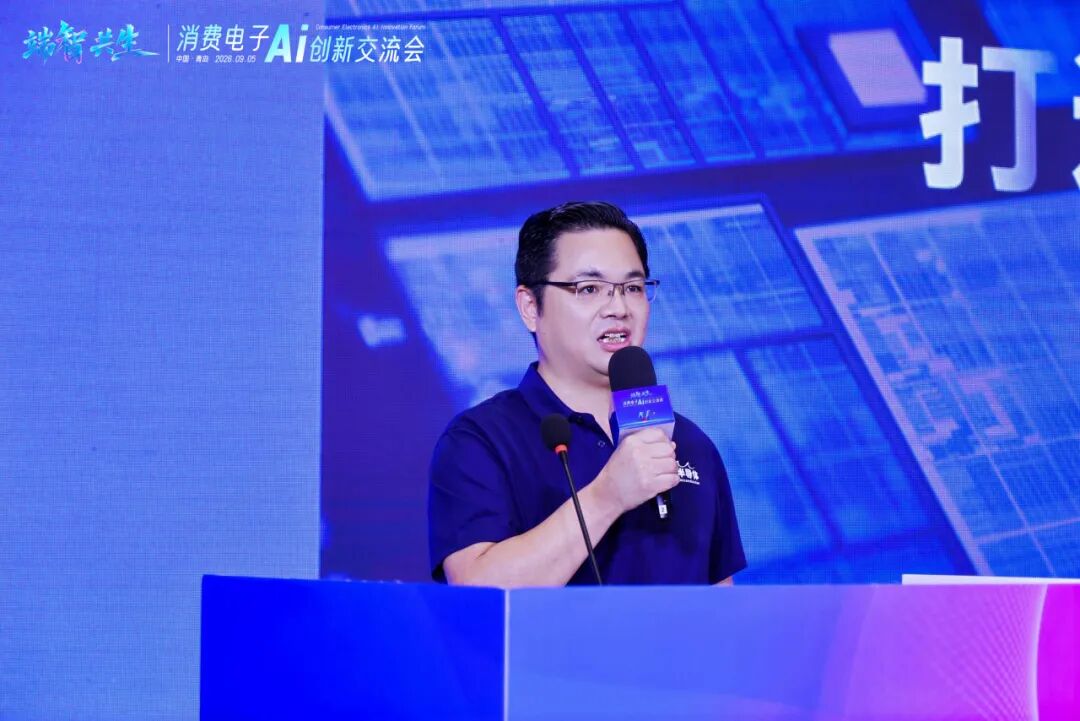
01
Computing Power Is Shifting Toward the Edge
The speech began with a central observation: AI is moving from cloud intelligence to edge intelligence. Over the past two years, cloud computing infrastructure has become increasingly mature. At the same time, end devices such as AI smartphones, AI glasses, and AI toys have gradually entered the market. In 2025, the global edge AI chip market exceeded USD 10 billion, with a compound annual growth rate of more than 40%.
02
Edge AI: Not a Replacement, but an Opportunity
Mr. Xiang shared two key perspectives during his speech:
First, edge and cloud computing are not substitutes for each other. The AI architecture of the future will be more like a “layered nervous system,” with different responsibilities assigned to each layer and close coordination among them.
Second, he illustrated the point with the “evolution of chairs”—from wooden stools and lift chairs to smart seats. As products evolve, they move closer to “proactive service,” yet most products have not taken that final step. This is precisely the opportunity for edge AI: every consumer product is worth reinventing with AI.
03
Smaller Models, More Specialized Chips
The deployment of edge AI requires two indispensable pathways. The first is making models smaller: through techniques such as distillation, quantization, and pruning, small and medium-sized models can run efficiently at the edge, while large models no longer need to pursue parameter scale single-mindedly. The second is making chips more specialized: emerging architectures such as NPUs, LPUs, RISC-V, and compute-in-memory are all evolving toward efficient computing under low-power conditions.
04
The Foundation for Deployment Is Already in Mass Production
Integrating edge AI into products requires a solid chip foundation. Taixin’s approach is to integrate wireless connectivity, audio and video sensing, and edge AI capabilities into a single SoC, creating a product portfolio that now spans multiple product series.
Two products highlighted during the presentation represent this foundation:
TXW8301As one of the first Wi-Fi HaLow™ SoCs in the world to enter mass production, it supports unlicensed frequency bands below 1 GHz, offers a transmission range of up to 1,500 meters, supports up to 8,191 nodes on a single network, and delivers standby power consumption as low as 200 μA. It has already been used in devices such as robotic lawn mowers, wireless cameras, and baby monitors, which require long-distance and highly stable connectivity.
TXW82XIntegrating a high-performance ISP and SparkLink transmission, it supports hardware encoding and decoding at 1080P@30fps and has entered mass production across applications including AI glasses, wireless IPCs, and video doorbells. Building on this foundation, six major vertical application areas—including AI security, AI interaction, and AI large models—are emerging as the next growth drivers for edge AI.
From the Cloud to the Edge, AI Deployment Is a Long-Distance Race
As a company deeply committed to AIoT chip design
Taixin will continue to place the “chip” at the core
and remain focused on wireless connectivity, audio and video sensing, and edge AI
Together with our industry-chain partners
we will bring edge AI to more products
and jointly move toward a future of intelligent connectivity for everything

Zhuhai Taixin Semiconductor Co., Ltd. was established in November 2016. It is a national-level Specialized, Sophisticated, and Innovative “Little Giant” Enterprise focused on chip design for the AIoT sector, and has also been included in the “China IC Unicorn” list. Thanks to its outstanding technological capabilities, the company’s products have twice received the “China Chip” industry’s prestigious honors.
The company has long been committed to core technologies in wireless communications and audio and video processing, with full-stack independent R&D capabilities spanning baseband, protocol stacks, and RF circuits. As one of the first companies in the world to achieve mass production of Wi-Fi HaLow™chips, Taixin has established a first-mover advantage in long-range IoT with its exceptional penetration capability and ultra-low power consumption. At the same time, the company was among the first to launch audio and video SoC chips integrating SparkLink technology. With low latency and strong interference resistance, these chips comprehensively empower cutting-edge audio and video applications such as AI glasses, high-definition drone video transmission, and video doorbells.
In terms of its technology roadmap, the company has made forward-looking investments in LTE Cat.1 chips, further strengthening its mid-rate IoT technology portfolio and successfully establishing a dual-technology-driven system based on “wireless + cellular.” Its product portfolio comprehensively covers ultra-long-range connectivity, low power consumption, multi-protocol integration, and complex industrial-grade scenarios. These products are widely deployed across diverse fields, including consumer electronics, security and surveillance, smart homes, embodied robotics, connected vehicles, and the Industrial Internet, and have earned the recognition of numerous leading customers, including Hikvision, with shipments reaching mass-production volumes.
As an active promoter of the industry ecosystem, Taixin Semiconductor is an official member of the Wi-Fi Alliance, SparkLink Alliance, Wi-SUN Alliance, and RISC-V International. Looking ahead, the company will continue to uphold its corporate culture of “diligence, innovation, pragmatism, and growth.” Through ongoing technological innovation and application expansion, it will provide global customers with high-performance, stable, reliable, and cost-effective one-stop AIoT chips and solutions, contributing to the vibrant development of the era of intelligent connectivity for everything.

Company Profile /Company Introduction